


A rooftop deck can transform an otherwise unused space into a valuable outdoor gathering area. But building a comfortable, attractive, and long-lasting rooftop deck requires more than simply choosing the same decking you would use for a ground-level patio. Exposure to the elements, structural considerations, drainage, maintenance, and long-term durability all play a bigger role when a deck is elevated above the building.
That is why choosing the right rooftop deck materials is an important part of the design process.
Rooftop Decks Face Greater Exposure to the Elements
A ground-level patio may benefit from some protection provided by surrounding landscaping, fences, trees, or nearby structures. Rooftop decks typically has far fewer natural barriers. Wind, rain, snow, and intense sunlight can reach the deck from virtually every direction.
That increased exposure makes durability especially important. Decking needs to withstand repeated cycles of wet and dry weather, seasonal temperature changes, and prolonged exposure to sunlight. Materials that require frequent staining, sealing, painting, or other maintenance may become more difficult to manage when the deck is located several stories above the ground.
Craft-Bilt aluminum decking provides a durable alternative designed for outdoor conditions. Aluminum won’t rot, splinter, or absorb moisture like traditional wood decking. It also eliminates many of the maintenance concerns associated with keeping a wood surface looking its best year after year.
Water Management Is Especially Important
One of the biggest differences between rooftop decks and ground-level patios is what happens to water. Rain and melting snow need to move efficiently away from the deck surface and the building below. If water is allowed to collect or move into areas where it shouldn’t, it can potentially contribute to moisture-related problems. Rooftop deck designs therefore need to consider drainage from the beginning.
Craft-Bilt aluminum decking features an integrated rain channel system designed to direct water away from the deck. This can help make water management an integral part of the decking system rather than something that has to be addressed separately after the fact.
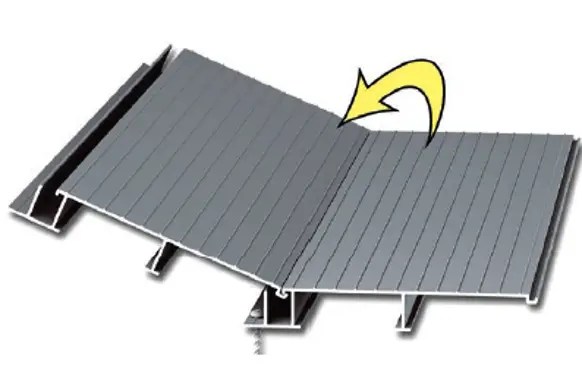
For architects and builders, this is an important consideration when evaluating rooftop decks. A decking system should contribute to the overall performance of the outdoor space, not simply provide a surface to walk on.
Weight Matters on a Rooftop
Every rooftop deck adds additional weight to a building, which means the decking material is an important part of the overall design conversation. Structural requirements will vary from project to project, and the building’s structural capacity should always be evaluated by qualified professionals.
Aluminum decking can provide an advantage because it is relatively lightweight while still offering the strength and durability needed for an outdoor walking surface. For rooftop applications where minimizing unnecessary weight is a consideration, aluminum can be an appealing alternative to heavier decking options.
The goal isn’t simply to find the lightest material available. It is to find a decking system that provides the right combination of weight, strength, durability, and performance for the project.
Rooftop Decks Need Durable Surfaces
Rooftop spaces often become gathering areas for residents, guests, employees, or customers. That means the decking needs to handle everyday foot traffic while continuing to look good.
Craft-Bilt aluminum decking is made from extruded aluminum and features a textured, non-skid finish. The result is a surface designed for everyday outdoor use without the concerns associated with wood’s tendency to crack, splinter, or deteriorate from moisture.
Aluminum also offers an important advantage for projects where fire resistance is a consideration. Craft-Bilt aluminum decking is non-combustible, providing another reason it can be a practical choice for certain rooftop and multifamily applications.
Less Maintenance Can Mean More Usable Space
A rooftop deck is an investment in usable outdoor space. The more time property owners and maintenance teams have to spend repairing, staining, sealing, or replacing decking, the less convenient that investment becomes.
Aluminum decking requires considerably less routine maintenance than traditional wood decking. It doesn’t need to be stained or sealed to protect it from moisture, and its resistance to common problems such as rot and splintering can help reduce ongoing upkeep.
That can be particularly valuable for commercial buildings, multifamily properties, and other projects where maintenance needs to be efficient and predictable.
Aluminum Can Complement Modern Designs
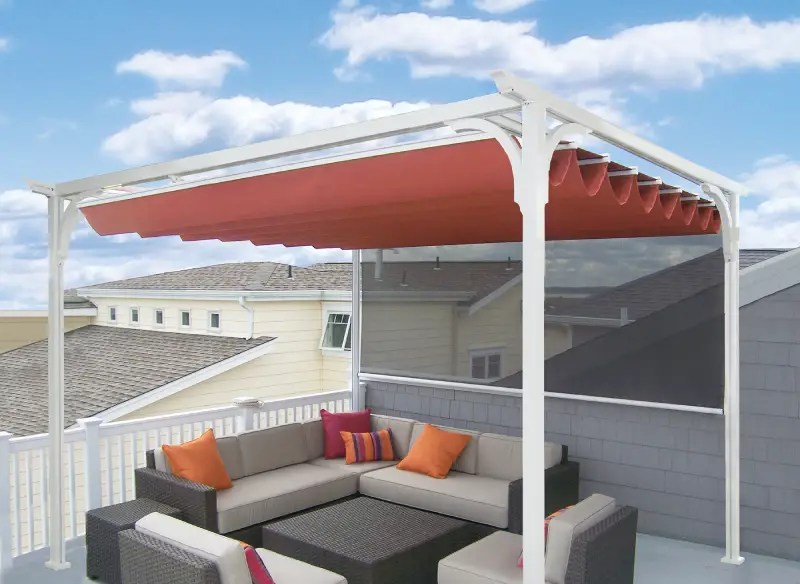
Rooftop decks are often incorporated into modern residential and commercial architecture. Clean lines and durable materials can help create an outdoor space that feels like a natural extension of the building.
Craft-Bilt aluminum decking offers a clean, finished appearance that works well with a variety of architectural styles. It can be paired with aluminum railings, glass railings, and other outdoor living products to create a cohesive rooftop environment.
For architects and builders, the ability to coordinate the decking with other exterior elements can be just as important as durability. The finished deck should look intentional while providing the performance expected from a modern outdoor space.
Choosing the Right Rooftop Deck Materials
A rooftop deck has different demands than a patio built at ground level. It is more exposed to weather, requires careful attention to drainage, adds weight to the structure, and may be more difficult to maintain once construction is complete.
For these reasons, rooftop decks should be selected based on more than appearance alone. Durability, water management, weight, maintenance, safety, and long-term performance all deserve consideration.
Craft-Bilt aluminum decking stands out as a strong option for rooftop applications because it brings several of these advantages together in one system. Its extruded aluminum construction provides durability without the maintenance concerns of wood, while the integrated rain channel helps manage water. Its lightweight construction, non-combustible properties, and textured finish add even more practical benefits.
The best rooftop deck is one that looks great on day one and continues to perform years later. By choosing decking specifically suited to the unique demands of an elevated outdoor space, architects, builders, contractors, and property owners can create rooftop decks that are designed to last.
